Water-Based Coatings for Condensation Control
Condensation isn’t just a nuisance — it’s a performance, safety, and longevity concern.
It occurs when heat transfers through a more conductive material — like steel or concrete — bypassing insulation and creating a “bridge” between interior and exterior temperatures. The result is localized cold spots that can lead to:
- Condensation formation on interior wall cavities
- Energy inefficiency and increased heating or cooling demands
- Material degradation over time
- Comfort and safety concerns in occupied spaces
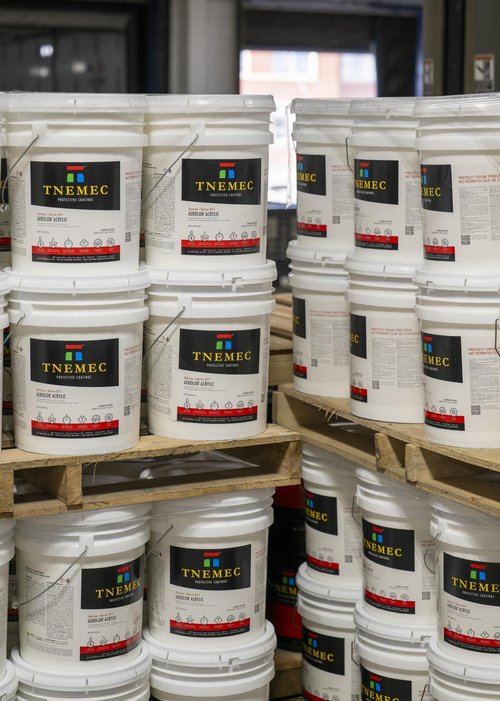
Common problem areas include structural steel components such as beams, lintels, and cantilevered elements, as well as piping systems and connections where continuous application of traditional insulation is difficult.
Addressing thermal bridging isn’t just about insulation — it’s about creating a consistent thermal barrier across the entire intended substrate.
How Insulative Water-Based Coatings Reduce Thermal Bridging
Insulative water-based coatings offer a practical and effective way to interrupt thermal pathways.
Because they are fluid-applied, these coatings:
- Conform to complex shapes and connections
- Create a continuous, seamless thermal barrier
- Bond directly to substrates, eliminating gaps
- Help control surface temperatures and reduce condensation
Rather than creating a physical “break” in the substrate to install insulation pads, these coatings retrofit existing buildings more easily with thermal breaks or new buildings where there are thermal bridging concerns. This provides structural engineers with peace of mind, saving them time and money by avoiding complex design and fabrication requirements.
A Targeted Solution for Thermal Bridging Challenges
Series 971 Aerolon Acrylic is designed to tackle thermal bridging in real-world conditions where insulation is critical.
This fluid-applied acrylic insulation coating utilizes one of the most effective insulative particles available to deliver exceptional thermal performance across a wide range of substrates, including:
- Pipes, valves, and tanks
- Structural steel and support members
- Concrete building components like lintels, balconies, and canopies
- Interior cavities
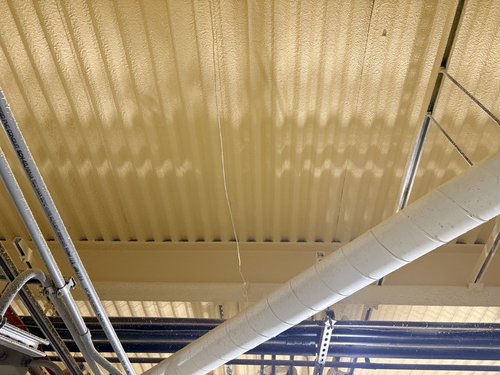
By bonding directly to the substrate, it becomes part of a corrosion-resistant coating system that not only improves thermal performance but also helps reduce the risks associated with corrosion under insulation (CUI).
A Smart Approach to Thermal Performance
Thermal bridging can quietly undermine building performance, leading to energy loss, condensation, and long-term durability issues. Insulative water-based coatings offer a more adaptable solution — one that works with the structure instead of against it.
By delivering a continuous thermal barrier, controlling surface temperatures, and integrating into a corrosion-resistant system, Series 971 Aerolon Acrylic helps close the gaps left by traditional thermal break pads.
The result is improved energy efficiency, reduced moisture-related risks, and a more reliable approach to thermal management — especially in the areas where it matters most.
Reach Out to Tnemec
Get the Information You Need
Contact us now and request the exact information you're looking for. We look forward to getting you an answer ASAP.
Contact Your Rep
Looking for Some Local Coatings Guidance?
Reach out to one of our knowledgeable and reliable representatives near you.
Product Documents
Looking for Application or Specification Help?
Download our helpful application guides, construction detail guides or system guides.